


Introduction:
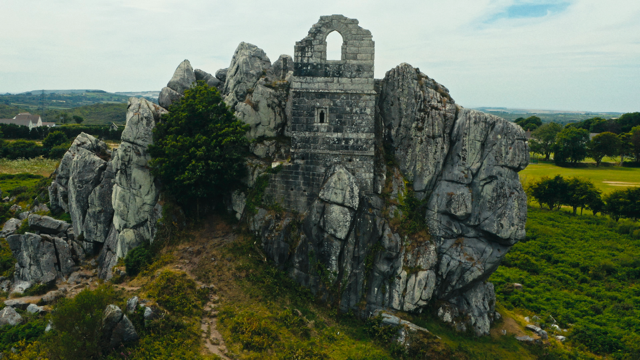
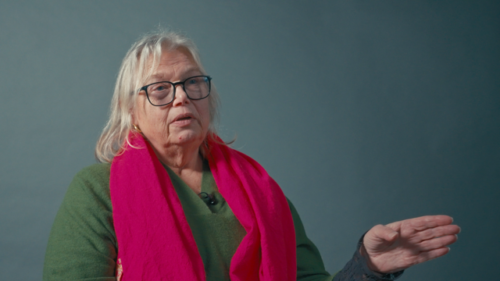
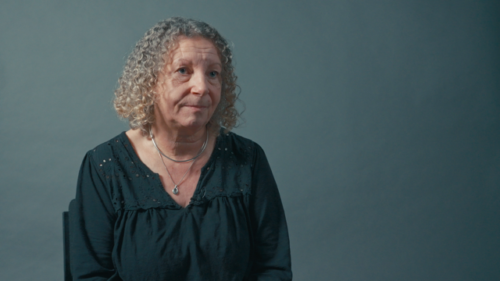
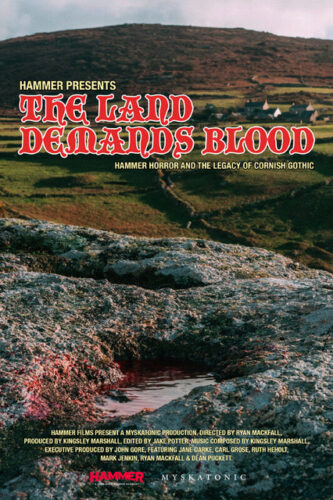
Our film, The Land Demands Blood, is a documentary written and produced by Kingsley Marshall and directed by Ryan Mackfall, exploring the Hammer Studios films that were set, but not shot, in Cornwall. The film itself is a conversation about Cornwall, its place and its people, with contemporary filmmakers who make work here – Mark Jenkin (Bait, Enys Men, Rose of Nevada), Dean Puckett (The Severed Sun), Jane Darke (The Wrecking Season) and Ryan Mackfall (The Birdwatcher), together with commentary from playwright Carl Grose and historian Ruth Heholt.
Inspiration:
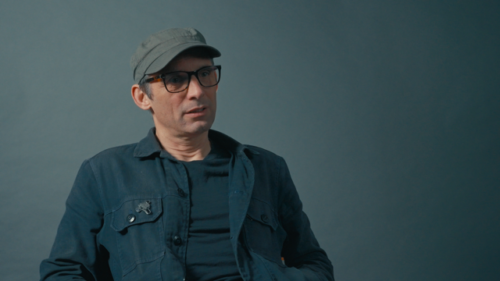
We were originally thinking more along the lines of a classical historical archive documentary. Ruth had written about the two key films we examine that have been recently remastered – The Plague of the Zombies and The Reptile- but the more we talked about it, we felt we had a lot more to say about Hammer’s place within the canon of British horror, the seeds of the folk horror explosion in the late 1960s, and its influence on us as filmmakers within our own company, Myskatonic. The common ground is how Hammer’s films are centered around people and their ties to a particular place, as are the canonical films of folk horror like Blood on Satan’s Claw and The Wickerman, our own films, and those of the people we work with. Hammer and the companies we cited were really gracious with their archive, and we loved bringing in our contributors – we’ve worked on films with many of them, and they each had their own take on Hammer’s place in their own work, and their relationship with Cornwall as a place.
The Process:
We shot in Cornwall in early 2026, doing the interviews first with a professional crew supplemented by a brilliant group of students working across camera, production, sound and script supervision who we took on as trainees through Falmouth University’s production arm the Sound/Image Cinema Lab. We shot at a studio at the university – and Kingsley built a paper edit from the transcripts. Our script supervisor Matt had done an amazing job of labelling films mentioned while the interviews took place, which Kingsley then used to watch and identify clips from the 30 or so films we ended up using within the documentary. Kingsley approached all the rights holders to work out what we could use under license and where we’d be operating under fair use, while Ryan was out on the moors gathering some additional footage, before we started on the edit with Jake. Kingsley was working on a feature film score at the time, but in the gaps, produced the original music for the film. Together, we had a pretty wild February, firing edits and music back and forth for a couple of weeks.
What It Means to Be a Finalist:
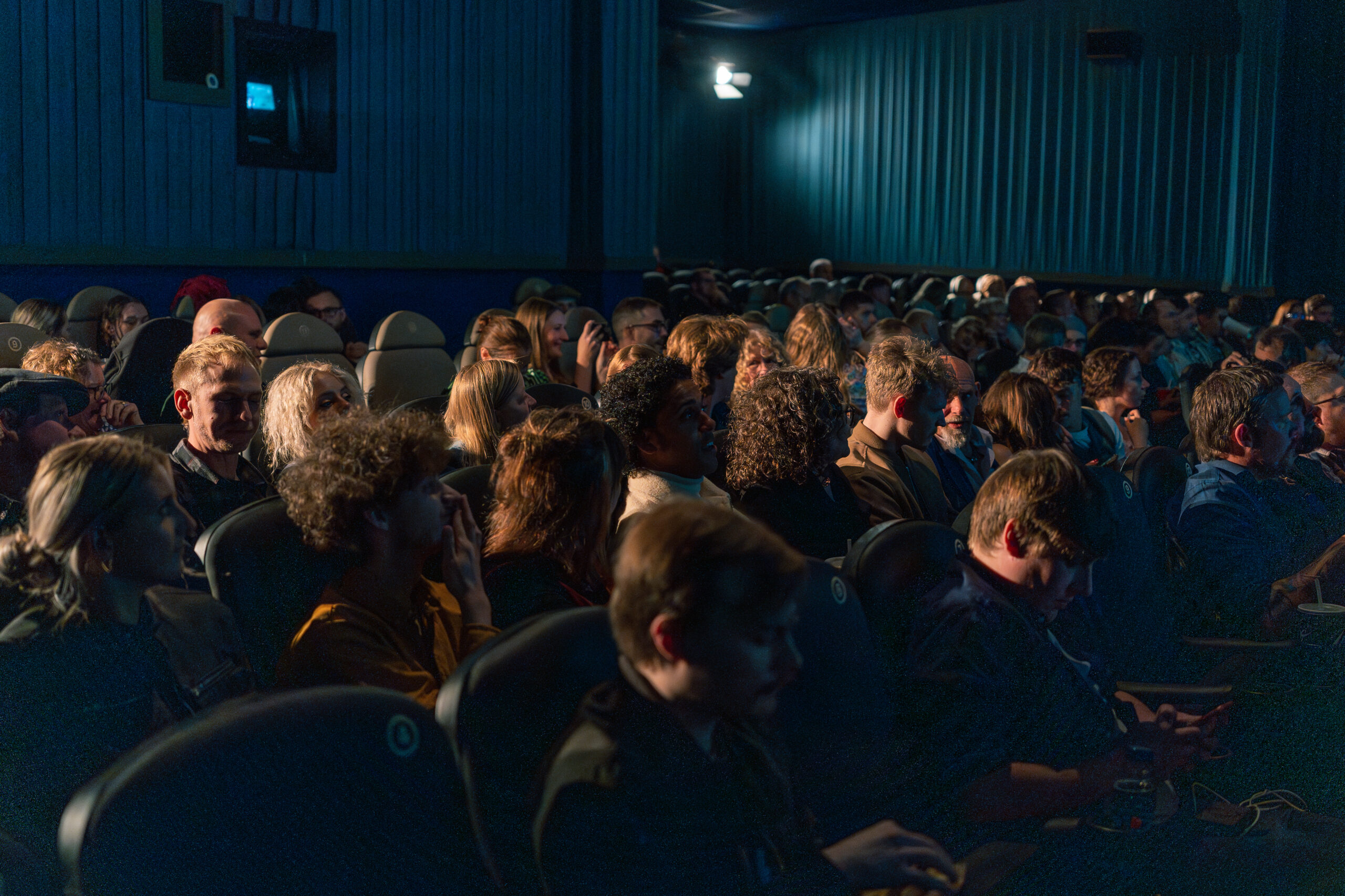
We’re really proud to premiere at Worcester, and the recognition is really for everyone involved – the interviewees who trusted us with their thoughts, the wonderful archivists at Hammer, and our terrific crew. A festival premiere is the moment all of that becomes something shared rather than something we’ve been sitting on in an edit suite. Documentaries about British genre cinema are very much a labour of love – you spend so much time in archives hoping someone else cares as much as you do, so having Worcester put this film about a genuine British institution – Hammer Films – in front of an audience is the whole point of the exercise, so we’re thrilled. There’s something really rewarding for us about this incredible studio, famous for its resurrection, getting brought back to life on screen once more.”
Where to Watch / Follow:
This documentary will be in festivals through the rest of the year. We have another film out in festivals called Howlsavla Gwav, and our previous shorts can be found on the Director’s Notes website. We’ve recently wrapped on a music video for Tony Iommi, called “World Alone”, which can be found on YouTube, and we have a number of features in development, which can be found on our website www.myskatonic.co and @myskatonicfilms on Instagram.
About The Author
