


Introduction:
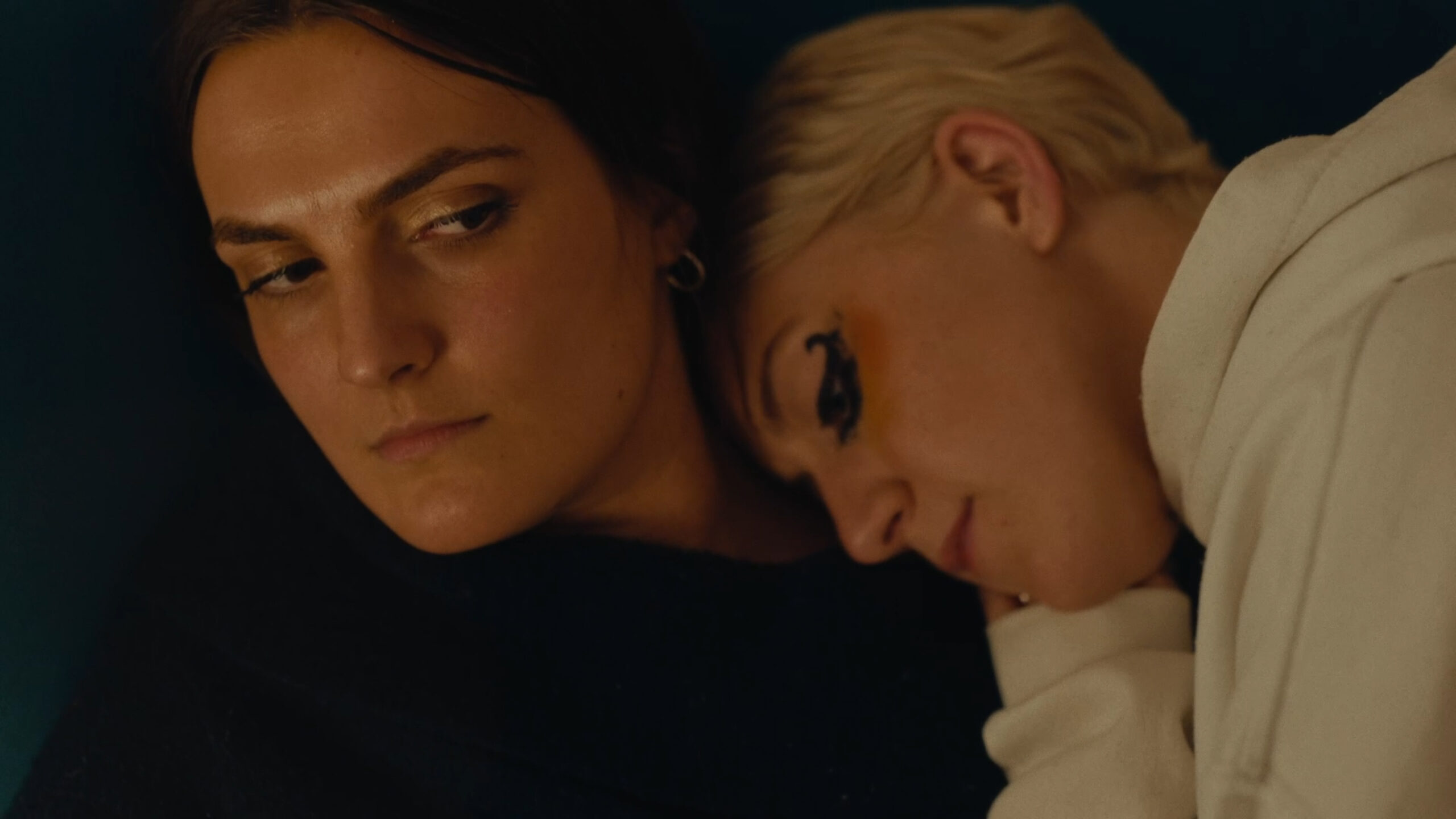
Dulse is a satire about the young creative community and the tension between self-expression and social conformity. At a party in West London, outsider Morgan drifts through a crowd of young creatives, quietly observing the blurred lines between authenticity and performance. As egos flare and irony disintegrates, Dulse exposes the absurdity of trying to be unique – and liked – in a world that demands both. With a naturalistic approach and absurdist tones, Dulse delves into themes of ego, individuality, and the search for authenticity in a world that prizes uniqueness.
Inspiration:
I made Dulse because I’ve always wanted to take a stab at making a narrative film, and drawing from my personal experiences felt like a natural starting point. At first, the intention was merely to write an entertaining story, but as the writing progressed, certain themes and ideas gradually took shape.
In the build-up to writing, I started to notice certain dynamics in creative social spaces. The currencies of image and brand we so often see exchanged on social media appeared to be permeating these same environments. The authenticity that many creatives seek to express through their work – the kind that should bring people together – felt increasingly overshadowed. Instead, an air of social climbing, peacocking, and one-upmanship lingered beneath the surface.
Although Dulse appears to satirise the eccentricities of the young creative community, it delves into a universal struggle: the human desire to be seen, understood, and accepted. These exaggerated egos and artifice provide a lens to explore the pretence and performance that permeate all social and professional spaces, not just creative ones.
The Process:
Whilst on a postgraduate art degree and over the course of a two-week break in May, I wrote the first draft, and from then on, I had two months until my hand-in date to turn it into a film.
The only thing I knew I needed was a cinematographer. I put a call out on Instagram and was inundated with over 100 messages. The mere mention of lighting and crew left me completely out of my depth, and more than once, wanting to quit. Still, I pushed on.
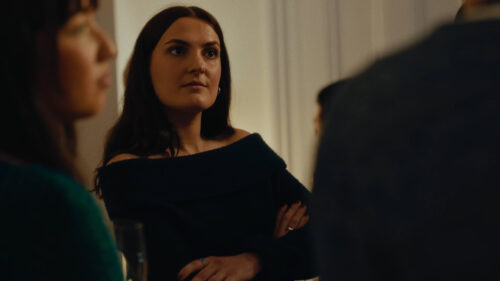
When the shoot date arrived, it brought with it a few on-set anecdotes worth retelling. Having invited friends to the final hours of our first shoot day to capture the atmosphere of a real party, some of them – along with one of my actors – carried the night on elsewhere, continuing until the early hours of the morning, unbeknownst to me at the time.
The following day, the actor arrived on set and asked for a drink to loosen their nerves. Before I knew it, they were drunk and started to go off script. On top of that, I checked my phone to find a bombardment of messages and missed calls from my sister, informing me that she’d received a noise complaint from a neighbour and was demanding I vacate her home immediately. Having not yet gotten a single clean take, I needed to get it done in one – which, thanks to my incredible actors, we did. I’ll leave you to work out which scene this might have been.
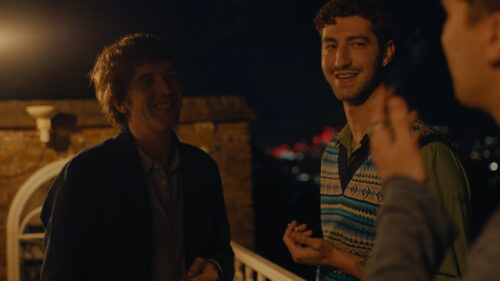
What It Means to Be a Finalist:
Making a narrative film had always been a dream, so having it recognised means a great deal. Through the submission process, I’ve come to learn how incredibly competitive the festival landscape is. It can often feel as though what you’ve made simply isn’t good enough, but this is the validation that I am doing something right, and it’s the motivation I need to keep going.
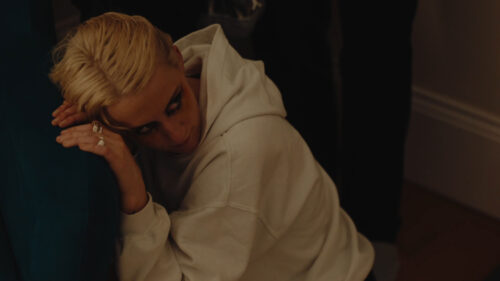
Where to Watch / Follow:
You can follow @thomasbugg__ on Instagram to hear about the film’s future screenings and its online release, as well as news about my new narrative short, ‘Special & Unique’ and any of my other work as a filmmaker.
About The Author
